Instituto de Previdência Própria do Município de Tatuí.

Aposentados e Pensionistas fiquem atentos ao prazo!
- Publicado em: 16/12/2022 |
- Por Cleber Galvão França
Doctors today commonly assert that they practice “scientific medicine,” and patients think that the medical treatments they receive are “scientifically proven.” However, this ideal is a dream, not reality, and a clever and profitable marketing ruse, not fact.
The British Medical Journal’s “Clinical Evidence” analyzed common medical treatments to evaluate which are supported by sufficient reliable evidence (BMJ, 2007). They reviewed approximately 2,500 treatments and found:
- 13 percent were found to be beneficial
- 23 percent were likely to be beneficial
- Eight percent were as likely to be harmful as beneficial
- Six percent were unlikely to be beneficial
- Four percent were likely to be harmful or ineffective.
- 46 percent were unknown whether they were efficacious or harmful
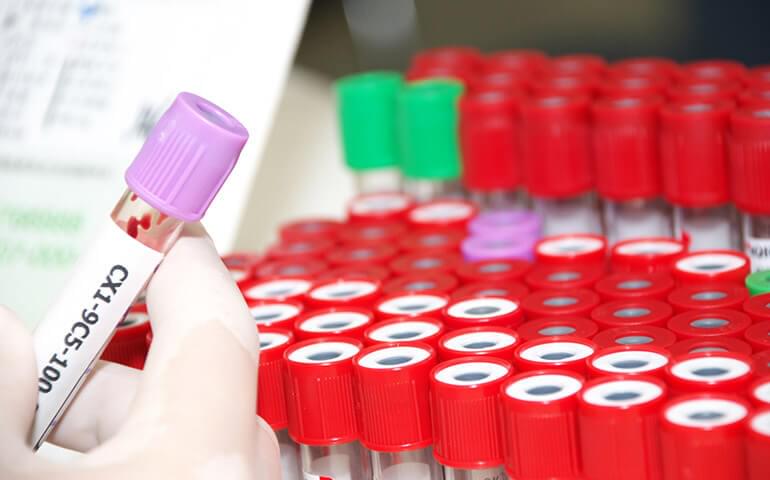
In the late 1970s, the US government conducted a similar evaluation and found a strikingly similar result. They found that only 10 percent to 20 percent of medical treatment had evidence of efficacy (Office of Technology Assessment, 1978).
Doctors like to point to the “impressive” efficacy of their treatments in real serious diseases, like cancer, and doctors (and drug companies) are emphatic about asserting that anyone or any company that says (or even suggests) that they have a treatment that might help people with cancer are “quacks.” However, do they maintain this same standard when evaluating their own treatments? Even a recent issue of Newsweek highlighted the fact that “We Fought Cancer, and Cancer Won” (Begley, 2010). Despite the truly massive amounts of money that doctors, hospitals and drug companies are effectively extracting from patients, employers, insurance companies and governments, we are certainly not getting our money’s worth.